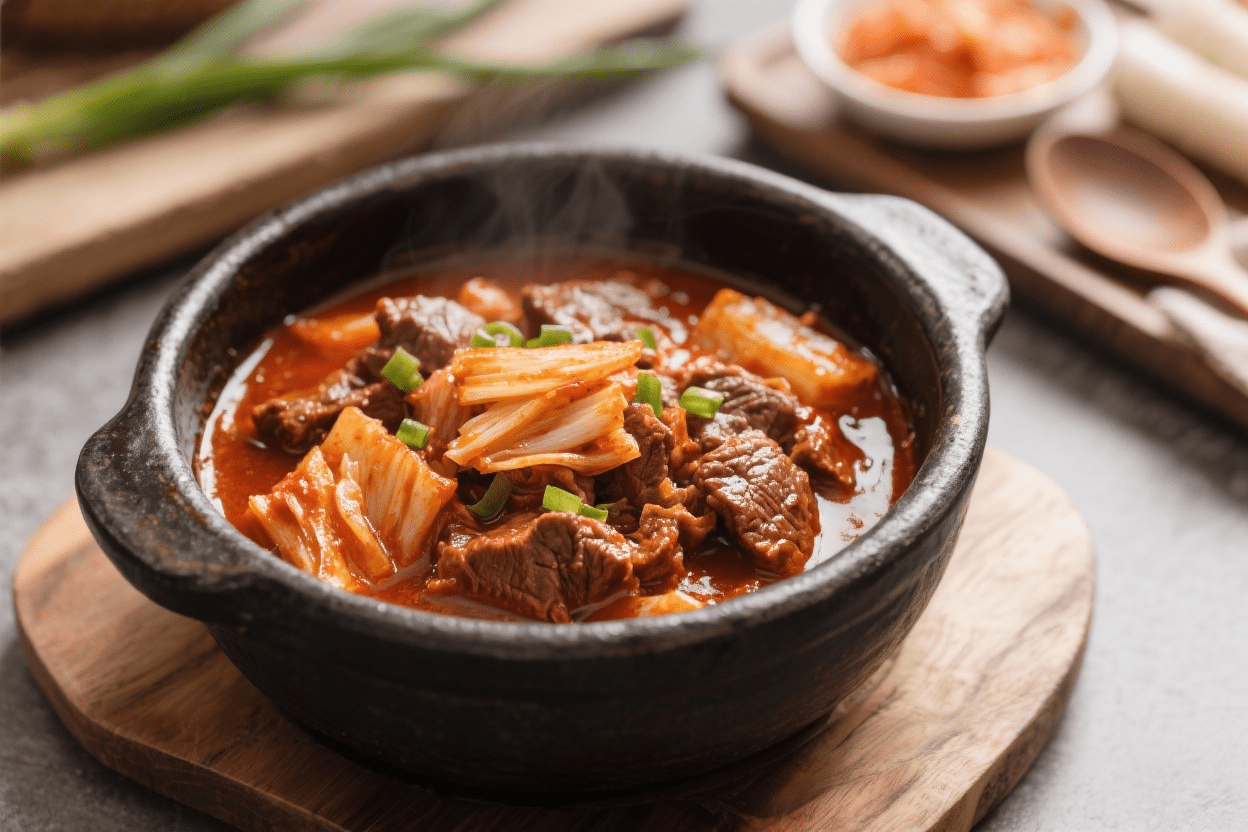
Unlock Umami: Secrets to Perfect Gochujang Korean Beef Stew
There are few dishes as soul-warming and deeply satisfying as a well-made Korean beef stew, particularly one that boasts the vibrant, complex flavors of gochujang. This isn't just a meal; it's an experience, a journey into the heart of Korean comfort food. The combination of tender, slow-cooked beef, hearty vegetables, and that unmistakable spicy, savory, slightly sweet kick from gochujang creates an umami bomb that is truly unforgettable. If you've ever dreamt of mastering a perfect **korean beef stew with gochujang**, you've come to the right place. We're about to unlock the secrets to achieving that ideal balance of flavor, texture, and pure culinary bliss.The Essence of Flavor: Gochujang and Beef Selection
At the core of any outstanding **korean beef stew with gochujang** are its two namesake ingredients: the gochujang itself and the quality of your beef. Understanding these foundational elements is the first step towards culinary success.Gochujang Unveiled: The Soul of Korean Spice
Gochujang is a fermented Korean chili paste, a culinary cornerstone that provides a unique blend of spicy, sweet, and savory notes, along with a rich depth of umami. It's not just heat; it's a complex flavor enhancer derived from gochugaru (Korean chili powder), glutinous rice, fermented soybeans, and salt. When selecting your gochujang, you'll find various spice levels, from mild to extra hot. For a balanced stew, a medium-spice gochujang is often ideal, allowing the other flavors to shine without being overwhelmed by heat. However, feel free to adjust based on your personal preference. Its thick, vibrant red hue signals the deliciousness to come, and its fermented nature adds a profound depth that cannot be replicated.Choosing Your Beef: The Key to Tenderness
The right cut of beef is paramount for a stew that literally melts in your mouth. You want cuts with good marbling and connective tissue that will break down into gelatin during slow cooking, resulting in incredible tenderness and richness.- Short Ribs (Galbi): Often considered the gold standard for Korean stews, short ribs offer rich flavor and become incredibly tender. They can be bone-in or boneless, with bone-in adding extra depth to the broth.
- Chuck Roast: A versatile and economical choice, chuck roast is well-marbled and ideal for slow cooking. Cut it into 1.5-2 inch cubes for best results.
- Brisket: Known for its robust flavor, brisket also shines in stews when given ample time to tenderize.
- Flank Steak: While leaner, flank steak can work if sliced against the grain and cooked gently, though it may not achieve the same melt-in-your-mouth texture as the other cuts.
Crafting the Stew: Key Ingredients and Building Blocks
Beyond gochujang and beef, the magic of this stew comes from a thoughtful selection of aromatic vegetables, additional seasonings, and a robust broth. Each ingredient plays a vital role in building layers of flavor.Aromatic Foundation
Korean cooking relies heavily on fresh aromatics to build a strong flavor base.- Garlic: Generous amounts of minced garlic are non-negotiable.
- Ginger: Freshly grated ginger adds a warm, pungent zing that complements the beef.
- Onion: Sliced or chopped onions provide sweetness and depth as they caramelize.
- Green Onions: Used for both sautéing at the beginning and as a fresh garnish at the end.
Depth and Spice: Beyond Gochujang
While gochujang is the star, other Korean condiments elevate the stew's complexity:- Gochugaru (Korean Chili Flakes): If you desire more heat or a richer red color without significantly altering the gochujang's fermented flavor, gochugaru is your friend.
- Doenjang (Fermented Soybean Paste): A spoonful of doenjang introduces an earthy, savory, and slightly funky depth, a traditional counterpoint to gochujang. It adds another layer of umami that makes the stew truly authentic.
- Soy Sauce: For essential saltiness and savory notes. Use a good quality Korean soy sauce.
- Sesame Oil: A drizzle at the end adds a nutty richness and beautiful aroma.
Hearty Vegetables: Texture and Nutrition
The best stews are packed with vegetables that absorb the rich broth and add textural contrast.- Potatoes: Yukon Gold or small red potatoes are excellent choices as they hold their shape well and become wonderfully tender.
- Carrots: Sliced carrots add sweetness and a pop of color.
- Daikon Radish: This often-overlooked ingredient adds a subtle peppery note, a refreshing crispness (before it softens), and is known for its ability to tenderize meat and absorb flavors beautifully.
- Mushrooms: Shiitake mushrooms offer a deep, earthy umami. Enoki mushrooms can be added towards the end for a delicate texture.
The Broth Base: The Stew's Liquid Soul
The liquid you choose forms the foundation of your stew.- Beef Broth: Provides the richest flavor and complements the beef perfectly.
- Anchovy Broth: A classic Korean base, anchovy broth (made from dried anchovies and kelp) adds a unique, profound savory depth without tasting fishy.
- Water: If using a combination of gochujang, doenjang, and beef, water can still yield a flavorful stew, allowing the core ingredients to truly shine.
Mastering the Simmer: Techniques for a Perfect Korean Beef Stew
The Browning Ritual
After patting your beef dry, sear it in a hot pot or Dutch oven until beautifully browned on all sides. This initial step is non-negotiable for deep flavor. Remove the beef and set aside, leaving any delicious fond in the pot.Building the Flavor Base
In the same pot, add a little more oil if needed, then sauté your onions, garlic, and ginger until fragrant. This creates the aromatic bedrock for your stew. Next, stir in the gochujang and any gochugaru, cooking for a minute or two. This "wakes up" the chili paste, deepening its flavor and aroma. Be careful not to burn it.Combining and Simmering: The Art of Patience
Return the seared beef to the pot. Add your broth or water, soy sauce, doenjang, and any other liquids. Bring the mixture to a rolling boil, then immediately reduce the heat to a gentle simmer. Cover the pot and let it cook. Patience is Key: This is where the magic truly happens. A proper **korean beef stew with gochujang** requires time. Minimum 1.5 to 2 hours, but often longer (up to 3 hours or more for very tough cuts) will yield the most tender beef and the most deeply infused flavors. The low, slow heat breaks down the connective tissues in the beef, making it incredibly succulent. Add your hardier vegetables like potatoes and carrots during the last 45-60 minutes of simmering, and more delicate ones like mushrooms during the final 20-30 minutes to prevent them from becoming mushy. Seasoning Adjustment: Always taste your stew towards the end of the cooking process. Adjust salt levels (with more soy sauce or salt), sweetness (a touch of sugar, honey, or even mirin can balance the gochujang's heat and enhance flavor), and spice as needed. The flavors will concentrate as it simmers, so be mindful not to over-season early on. If you're looking for the ultimate comforting experience, explore our Hearty Gochujang Korean Beef Stew: Ultimate Comfort Food.Serving and Customizing Your Umami-Rich Creation
Once your stew has reached peak tenderness and flavor, it's time to enjoy the fruits of your labor. But the journey doesn't quite end there; how you serve and customize your stew can elevate the experience even further.Serving Suggestions: The Essential Accompaniments
A steaming bowl of **korean beef stew with gochujang** is best enjoyed with simple, yet essential, accompaniments.- White Rice: Fluffy, short-grain white rice is non-negotiable. It's perfect for soaking up every drop of that rich, spicy broth.
- Banchan (Side Dishes): A variety of Korean side dishes like kimchi (fresh or fermented), pickled radishes (danmuji), or seasoned spinach (sigeumchi namul) offer refreshing contrasts to the stew's richness.
Garnishes: The Finishing Touches
Garnishes add freshness, texture, and visual appeal.- Fresh Green Onions: Chopped green onions are a classic garnish, adding a mild oniony bite.
- Toasted Sesame Seeds: A sprinkle adds a subtle nutty crunch.
- Drizzle of Sesame Oil: A tiny dash just before serving enhances the aroma and richness.
- Raw Egg Yolk (Optional): In some Korean stews, a raw egg yolk is stirred in just before eating, providing an extra layer of richness and creaminess.
Customization Ideas: Making It Yours
One of the joys of cooking is making a dish your own. Your **korean beef stew with gochujang** is incredibly versatile.- Spice Level Boost: For those who love extra heat, add more gochugaru, fresh sliced Korean green chilies, or even a few bird's eye chilies.
- Kimchi Kick: Stir in about a cup of well-fermented, aged kimchi during the last 30 minutes of simmering. This adds a fantastic sour, funky, and probiotic dimension.
- Vegetable Variety: Feel free to add other vegetables like zucchini, bell peppers, or even a handful of baby spinach or kale (added towards the very end to prevent overcooking).
- Added Proteins/Carbs: Firm tofu cubes, Korean rice cakes (tteok), or even fish cakes can be added during the last 15-20 minutes of cooking for extra heartiness.
Mastering a perfect **korean beef stew with gochujang** is a rewarding culinary journey. It's a dish that speaks to the heart, offering a profound sense of comfort with every spoonful. By understanding the role of quality ingredients, embracing the art of slow simmering, and feeling free to personalize your creation, you'll be able to unlock the full umami potential of this magnificent Korean classic. So gather your ingredients, take your time, and prepare to savor one of the most delicious and comforting stews you'll ever make. Enjoy the process, and most importantly, enjoy the truly spectacular results!
