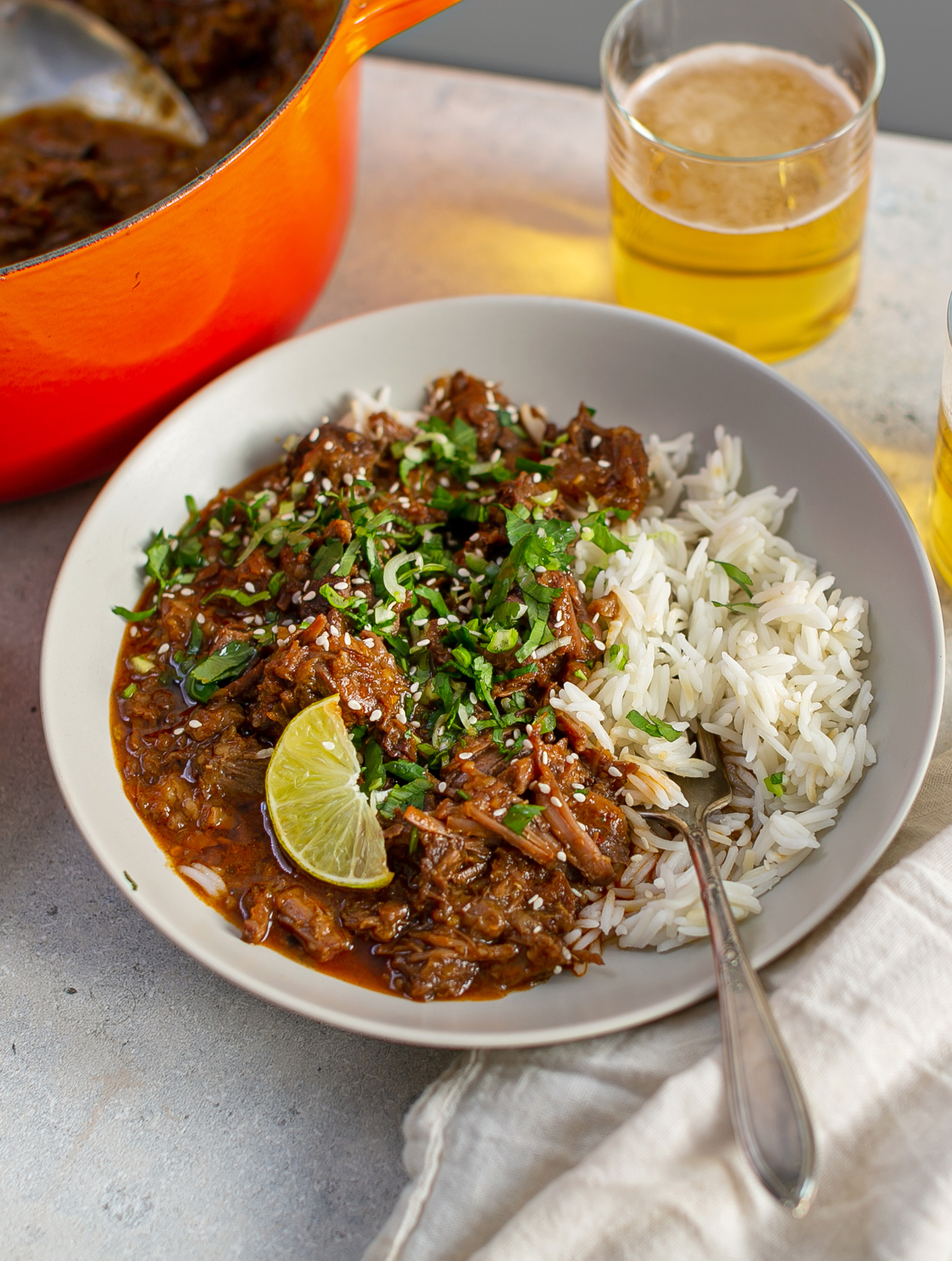
Hearty Gochujang Korean Beef Stew: Ultimate Comfort Food
When the chill sets in, or you simply crave a meal that wraps you in warmth and flavor, few dishes deliver like a hearty Korean stew. Among them, the korean beef stew with gochujang stands out as a true culinary champion. This isn't just any stew; it's a vibrant symphony of savory, spicy, and deeply umami notes, enriched by the unparalleled complexity of gochujang – Korea's beloved fermented chili paste. It transforms simple ingredients into an extraordinary experience, making it the quintessential comfort food for any occasion. Forget bland, forget boring; prepare your palate for an explosion of flavors that will leave you utterly satisfied and yearning for more. This article will guide you through understanding, preparing, and ultimately savoring this incredible dish.What Makes Gochujang Korean Beef Stew So Irresistible?
The magic of a korean beef stew with gochujang lies in its incredible depth of flavor. It’s a multi-layered experience that hits all the right notes:- The Power of Gochujang: More than just heat, gochujang brings a unique blend of savory, subtly sweet, and fermented tang. It’s the cornerstone that gives the stew its signature reddish hue and profound character. Unlike raw chili, gochujang's fermentation process lends it a mellow, complex heat that deepens with cooking.
- Tender, Flavorful Beef: Slow-cooked to perfection, the beef becomes melt-in-your-mouth tender, soaking up all the rich flavors of the broth. Cuts like beef chuck or short ribs are ideal, releasing collagen and richness into the stew as they simmer.
- Hearty Vegetables: A medley of root vegetables like potatoes, carrots, and daikon radish not only adds substance and nutrition but also sweetens the stew naturally, balancing the gochujang's spice. Onions, garlic, and ginger form the aromatic backbone, building a robust foundation.
- Umami Overload: Beyond gochujang, ingredients like soy sauce, doenjang (fermented soybean paste, often optional but highly recommended), and sometimes even anchovy broth or kelp contribute layers of savory umami that keep you coming back for another spoonful.
This combination creates a stew that is not only filling and nutritious but also profoundly satisfying for the soul. It's the kind of dish that warms you from the inside out, making it an ultimate comfort food for families across Korea and now, around the world.
Essential Ingredients for Your Authentic Korean Beef Stew with Gochujang
Crafting a truly authentic and delicious korean beef stew with gochujang begins with selecting the right ingredients. Quality makes a significant difference here.The Star Players:
- Beef: Opt for stewing cuts like boneless beef chuck, short ribs, or brisket. These cuts have enough fat and connective tissue to become incredibly tender and flavorful after a long simmer. Cut them into 1.5 to 2-inch cubes. Browning the beef before simmering is crucial for developing deep, rich flavors.
- Gochujang (Korean Chili Paste): This is non-negotiable! Choose a reputable brand. Most Korean grocery stores will carry various spice levels; a medium spice level is a good starting point. Gochujang comes in tubs and should be stored in the refrigerator after opening. It's the ingredient that truly defines a korean beef stew with gochujang.
- Gochugaru (Korean Chili Flakes): While gochujang provides the primary heat and flavor, gochugaru adds an extra layer of bright, clean spice and vibrant red color. You can adjust the amount based on your spice preference.
- Aromatics: Fresh garlic, ginger, and onion are fundamental. They create the aromatic base that elevates the stew beyond mere spice.
- Soy Sauce: For salty depth and umami. Use regular (not light or dark) Korean or Japanese soy sauce.
- Sesame Oil: Added towards the end, a drizzle of toasted sesame oil provides a nutty aroma and richness.
- Mirin (Rice Wine): A touch of mirin or cooking sake helps tenderize the beef and adds a subtle sweetness that balances the spice.
The Supporting Cast (Vegetables & Broth):
- Potatoes: Yukon Gold or red potatoes hold their shape well and provide a creamy texture. Cut into chunky pieces.
- Carrots: Add natural sweetness and color.
- Daikon Radish: A traditional Korean stew ingredient, daikon adds a unique mild peppery flavor and becomes translucent and tender when cooked. Don't skip it if you can find it!
- Mushrooms: Shiitake or oyster mushrooms can add an extra layer of umami and texture.
- Green Onions: For garnish and a fresh, pungent finish.
- Broth: High-quality beef broth or homemade anchovy kelp broth provides the liquid base. Water can also be used if the other ingredients are flavorful enough.
To dive deeper into the preparation process and discover an authentic step-by-step guide, consider exploring this valuable resource: Easy Gochujang Beef Stew: Authentic Korean Recipe Guide.
Mastering the Art of a Deeply Flavorful Korean Beef Stew
Creating an unforgettable korean beef stew with gochujang is less about complex techniques and more about patience and understanding the progression of flavors.The Cooking Process at a Glance:
- Brown the Beef: This initial step is non-negotiable for rich flavor. Sear the beef cubes in a hot pot until well browned on all sides. Don't overcrowd the pot; work in batches if necessary. Remove the beef and set aside.
- Build the Aromatic Base: In the same pot, sauté chopped onions until softened, then add minced garlic and ginger. Cook until fragrant, taking care not to burn the garlic. This creates the essential flavor foundation.
- Craft the Gochujang Sauce: In a separate bowl, whisk together the gochujang, gochugaru, soy sauce, mirin, and any optional doenjang or sugar. This ensures the sauce is well-mixed and prevents lumps.
- Combine and Simmer: Add the browned beef back to the pot, pour in the prepared gochujang sauce, and add enough broth or water to cover. Bring to a boil, then reduce heat to a gentle simmer. This is where the magic happens. Cover and let it cook slowly for at least 1.5 to 2 hours, or until the beef is nearly fork-tender. This slow simmer allows the flavors to meld and the beef to become incredibly tender.
- Add Vegetables: Incorporate the harder vegetables first, like daikon and carrots. Let them cook for about 20-30 minutes, then add potatoes and any mushrooms. Continue simmering until all vegetables are tender.
- Taste and Adjust: This is a crucial step! Taste the stew. Does it need more salt (soy sauce), a touch more sweetness, or an extra kick of spice (gochugaru)? Adjust according to your preference.
Tips for Success:
- Don't Rush the Browning: A good sear on the beef develops deep, roasted flavors that will carry through the entire stew.
- Low and Slow is Key: For truly tender beef and deeply integrated flavors, a long, gentle simmer is essential. Resist the urge to crank up the heat.
- Deglaze the Pot: After browning the beef and sautéing aromatics, use a splash of broth or water to scrape up any browned bits stuck to the bottom of the pot. These bits are pure flavor!
- Rest for Flavor: Like many stews, this korean beef stew with gochujang often tastes even better the next day, after the flavors have had more time to meld and deepen. Make a large batch and enjoy the leftovers!
- Unleash Umami: For even more profound depth, consider adding a teaspoon of fish sauce or a dash of MSG (monosodium glutamate) if you're comfortable with it. The combination of gochujang, beef, and fermented pastes already provides a strong umami base, but these can elevate it further. For more secrets on achieving that perfect umami balance, check out Unlock Umami: Secrets to Perfect Gochujang Korean Beef Stew.
Serving Suggestions and Customization
Your magnificent korean beef stew with gochujang deserves to be served in style, though its rustic charm means "style" can be delightfully simple.Traditional Accompaniments:
- Steamed Rice: This is non-negotiable! A bowl of fluffy white rice is perfect for soaking up the rich, spicy broth and balancing the strong flavors of the stew.
- Kimchi: The quintessential Korean side dish, kimchi offers a refreshing, tangy, and spicy contrast that perfectly complements the hearty stew.
- Banchan (Korean Side Dishes): A variety of other simple vegetable side dishes, such as seasoned bean sprouts (kongnamul muchim) or spinach (sigeumchi namul), can round out the meal beautifully.
Garnishes and Customization:
- Green Onions: A generous sprinkle of sliced green onions (scallions) adds freshness, a mild oniony bite, and a pop of color.
- Sesame Seeds: A dash of toasted sesame seeds offers a subtle nutty crunch.
- Sesame Oil: A final drizzle of toasted sesame oil just before serving enhances the aroma and richness.
- Tofu: Cubes of firm or soft tofu can be added towards the end of cooking for extra protein and a different texture.
- Noodles: For an even heartier meal, add fresh ramen noodles, udon, or glass noodles (dangmyeon) during the last 10 minutes of cooking.
- Cheese: For a modern, indulgent twist, some Koreans add a slice of American cheese or mozzarella on top of their hot stew, allowing it to melt into a creamy, savory layer.
- Spice Level: Easily adjust the heat by adding more gochugaru or a dash of fresh chili slices if you love it extra spicy. For a milder stew, reduce the gochujang and add more doenjang or just more broth.
Whether enjoyed on a cold winter night or a cozy weekend, this versatile stew adapts to your preferences, always delivering comfort and incredible flavor.
The korean beef stew with gochujang is more than just a meal; it's an experience. It's a testament to the power of fermented ingredients, slow cooking, and the joy of sharing hearty food. From its deep, fiery red hue to its complex, savory-spicy flavor profile, every spoonful promises warmth, satisfaction, and an unforgettable taste of Korean culinary tradition. Don't be intimidated by the ingredient list or the simmering time; the reward is truly worth the effort. Gather your ingredients, prepare your pot, and embark on a delicious journey to create this ultimate comfort food in your own kitchen. Your taste buds will thank you.
